By Maria Sledmere
Edwin Morgan’s From the Video Box (Mariscat Press; 1986) is a sequence of 27 poems arranged around various technological themes, from satellite tv to scratch video. Poem ‘5’ from the sequence begins:
I am not here to talk about a scratch
video I am here to make a scratch I am
here to make a scratch video to make
Scratch video was a British video movement in the early 1980s, which layered different rhythms and found footage through percussive cutting, looping and data glazing. An example of Outsider art, its strategies were inspired by William Burroughs’ cut-up method as much as Situationist détournement, and its content often included explicit and politically radical materials.
Scratch video had cool factor: it was included in club performances by industrial bands like Cabaret Voltaire and otherwise distributed as VHS tapes before getting mainstream and prestigious curatorial attention. It was described in the NME as ‘televisual punk rock’ and even a cursory browse of some scratch classics will reveal that this is an aesthetic obsessed with glitch, interference, excess and oscillation.
Morgan’s poem is as much about making the scratch as responding to scratch as a movement. The poem imitates the Scratch tendency towards montage, repetition, chiasmus, iteration. Critique is creativity, creativity critique. It gets you thinking about poetry’s affordance as a technology ceaselessly inflected by other technologies of memory, cognition and communication. Language can loop, scratch, double back, layer, declare, roll, thicken, pause, shriek.
Over the past year, SPAM Press (self-proclaimed post-internet darlings) have been exploring the legacies of what Alan Riach, in The International Companion to Edwin Morgan (2015), describes as Morgan’s ‘proleptic engagement with computer technology and virtual realities’. A strange thing that: looking at the unfurling vs. retroactive legacy of a proleptic (that is, anticipatory) poetics. No better medium to get the tape roll jammed in your open looped script in your thought bubble scratch-got-your-tongue. Scratch is, incidentally, a programming website aimed at teaching kids to code and taught many of us (including yours truly, in ye olden days of Higher Computing) to use language and coordinates to make little turtles run around a screen.
As is poetic tendency, the folks at SPAM got obsessed with how the technophile wordplay of brilliance and glitches bubbled with a certain queerness. All this and more, encountered in a series of free workshops, editorial content and podcasts leading up to an open call for submissions, which sought everything from ‘transmedial tantrums’ to ‘lossless Nessie’s onomatopeix’ and ‘the lud(th)ic(c)’. Titled Brilliant Vibrating Interface: Queering the Post-Internet through Poetry and Practice, the series was funded by the Edwin Morgan Trust’s Second Life Award and took place between Glasgow and the digital realm, running from November 2022-November 2023.
Culminating in a 92-page, full colour anthology accompanied by a ‘digital sibling’ of interactive and transmedial exhibits, Brilliant Vibrating Interface is a testament to the impressive range of genre-defying and tech-blurring works being made by emergent and established artists and writers. Edited by Kirsty Dunlop, Loll Jung and Ian Macartney, the anthology showcases queer practitioners with a connection to Scotland and prioritises the trifecta of Morgan’s poetic commitment to experiment, hybridity and technology. Brilliance is something shimmering and irresistible.
As such, I couldn’t help but ask the editors some questions about their process, intentions and reflections on the project. We have the brilliance, the glitter, the consonant satisfaction of glitch and scratch. We have queerness, Scottishness, hybridity. Long live the interface!

Maria Sledmere (MS): The title of this anthology is taken from a line of Edwin Morgan’s. What does Brilliant Vibrating Interface mean to you as a phrase of expression?
Ian Macartney (IM): I think “interface” feels crucial here. Inter – as prefix, this betweenness, which is itself a Scottish condition, really. It’s not really itself, Scotland, it transfers and is the permeable barrier for so much (ideological) exteriors. Scotland is always a response.
But then “vibrating” fastens a vitality to this condition, and again it’s going, between, it’s not static, I’m thinking processual. “Brilliant”, meanwhile, connotes a brightness, the gleams of the matter. Aye, the phrase feels super-Scottish, it’s the concept(s) of Scotland primed as poetry.
Kirsty Dunlop (KD): To echo some of Ian’s brilliant ideas above, I also love how each of these words connect, how they fasten, refract and glimmer. I think the word vibrating was particularly attractive to me; the obvious physicality and sensuality of the word, but also how it evokes a particular kind of fluid, awkward movement. When I think of vibrating, I think of shudder, and when I think of shudder, I think of glitch, which cannot be ‘singularly codified’ as stated by the glitch artist and theorist Rosa Menkman. I am also thinking in line with the theory of Glitch Feminism by Legacy Russell, who argues that it is now more accurate to say that we are A-F-K (away-from-keyboard) rather than irl (in-real-life) as our ‘reality’ occurs in the digital environment as much as it occurs when we are not looking at a screen.
I guess this is a roundabout way of talking about how this phrase from Morgan’s poetics was an expansive portal for the many facets of the project. It made space for an in-betweenness that invited works that also cannot be singularly codified, that invited new modes of in-betweenness across the page and the screen, alongside queerness in all its brilliant vibrating multiplicities.
MS: What is your relationship to Edwin Morgan’s work? How did it inspire the project?
IM: Strawberries was (and remains to be, tbh) one of my favourite poems of all time. Coming across him in secondary school revealed the sandpit beneath the concrete, if you will. I think it’s the fact he managed such a superposition between public poet – speaking to Scotland, and its myriad states – and audacious experimentalist. That’s certainly an inspiration to me, it laid a bright groundwork I work upon. And then to have this tied to conceptions of queerness, the openness of his verse, O my!
KD: To me, something quite wonderful about Edwin Morgan is that he is appreciated across Glasgow; talk to any Glasgwegian and they’ll likely say ‘Ah yes! Edwin Morgan’. I have very specific memories of talking to my grandpa about Morgan’s work and hearing it read aloud. I know a lot of us studied Morgan in school in Scotland, but in school I didn’t feel particularly close to poetry, it didn’t have the energy that it now does for me.
Reading more of his work in recent years has completely enlarged my understanding and appreciation of him as a writer and his poetics more widely; his experimentation, the fact he was a proto-code poet, thinking through ideas of technology and queerness ahead of his time, and the generosity of him as a creative, leaving behind funds for future poets, which allowed us to make this project through the Edwin Morgan Second Life Award.
MS: What else inspired the project?
KD: We have been discussing the ideas around this project for a while now and the concept of publishing texts and poetics that cannot be easily pinned down and/or categorised, whether that be in form and/or medium was really exciting to us, and in particular how this connects and opens up our conceptualisations of queerness.
There was something interesting in that connection between hybrid bodies, sexualities and identities that cannot, to echo the words of Rosa Menkman I mention above, ‘be singularly codified’, and how that complexity can be given its full scope in structures and inter-medial frames that spill out, carrying within them variables and non-linear trajectories. Edwin Morgan’s interest in proto-code poetics, his beautiful explorations of queerness and his Scottish link opened up the possibilities of the project even more.
From a more personal standpoint, over the past few years I have been writing New Media works, combining code with language, merging video game techniques with essaying, so thinking a lot about digital interfaces, and I wanted to challenge myself to think through how SPAM could publish an interactive digital anthology that is related to, but not the same as the print material (we called the book and the website digital siblings for this reason!).
It’s a project that is very different from what we have put out before as a press, in terms of playing very directly with that relationship between New Media writing and poet-internet art/poetics on the page. The funding and the amazing artists/writers/filmmakers and more, who submitted have allowed us to open up our thinking around our own publishing models.
MS: How did you go about conceptualising the call for submissions?
KD: We wanted to keep our submission call very expansive, one reason for this being that we were keen to hear from artists and makers, who may consider themselves poets or writers and also those who exist across multiple spaces and write/make by blurring materials and disciplines. We did however ask specifically for queer artists who had some connection to Scotland, in line with the ethos of the project. In true SPAM fashion, we designed a list to get ideas flowing and emphasise hybridity, here’s an extract from that:
transmedial tantrums / electronic writing / code poetics / osmotic enquiries / time-based collage / binaural brb ballads / fungi fanfic interfaces / augmented reality art writing / usb elegy / platonic point-and-click adventure / lurker lyric / strawberry vibes / manifestos for a queer utopia / asemic writing / treaties on pearlescent poetics / archival fugue / blender sculptures of the video box / glitch grammars / slippery terrains in the echo chamber / a florilegium of remixed reddit responses / ode to the body becoming hologram / hyperlink-laced concrete poetry / the computer’s first christmas card / pleasure pixellated / cringe confessionals / lossless Nessie’s onomatopeix / landfill barbie drabbles / semantics of froth / cuteness in the cloud / variables on orbit crumbs / intertextual imprints /

MS: Can you unpack the selection process? What was important to you when you went about choosing from submissions?
IM: Having people SPAM had never published before was crucial. That made for a lot of difficult decisions.
KD: I wanted to experience the unexpected! Perhaps that sounds a little cliched, but I suppose what I mean by that, is that I wanted to perceive, play, navigate works that were thinking through the mediums they were working with and against in expansive ways. As mentioned above, I was also keen that we reach out beyond a singular poetry sphere and invite conversation and collaboration through that.
MS: Given that some connection to Scotland was a stipulation of submissions, I’m wondering what you see as distinctly ‘Scottish’ in the flavour of work you chose for the anthology?
IM: There’s explicit things, like having two responses to Morgan’s aforementioned “Strawberries”. A lot is implicit, though, I think Scottishness requires a critical eye, it’s always speaking back, it starts responsive. A lot of the pieces in here are counter-catalysts, in that sense.
KD: To me, Scottishness exists in multiplicities. I think the project speaks to Morgan’s works through direct association, but also as a whole, is thinking through what it means to make multi-media work in a Scottish city like Glasgow too. This city has an amazing selection of artists, writers, musicians, filmmakers and I feel like part of this project, for me, was about showcasing this in a double-publication that asks for different modes of seeing, thinking, experiencing. The project speaks to disciplines and frames collaborating and also resists a singular definition of what it means to either live in Scotland, be from here, or have a connection to the place.
MS: The form and aesthetic of the book is integral to its post-internet and digitally-minded spirit. How did you go about formulating the design?
IM: How a print publication can translate/alter/respond to digital media, so much of which is precarious and will probably be inaccessible in only five or so years, was compelling for me. It’s something I think about a lot. So finding physical interpretations for work conceived for computer and tablet and phone, the relations between page and screen, was a privilege. The ringbinding we’ve gone for really encapsulates that – it let us keep narrow margins and have a publication which can flatten out just like a webpage.
KD: The thinking around the design was definitely one of the most challenging, but also exciting aspects of the publication process. For me, this was where a lot of the thinking around how we publish works that aren’t originally designed for the page took place very directly and in real time. Each piece asked for its own kind of visualisation, formatting, thinking, and the movement of that transmedial encounter was important. For example, even the way that you hold the book was significant; some pieces were set out in landscape so you had to turn the book sideways, others were presented almost as gallery pieces, while others were vertical and text based, which to me reflects the non-linearity and changeable navigation systems of the digital sphere.
MS: What are some of the challenges you faced in editing and presenting the more visual aspects of the project?
IM: InDesign.
KD: Yes, InDesign was new for us but also felt important as this was, in many ways, an art book as well as a poetry collection and anthology, and our first full interior colour publication(!) An interesting challenge of moving the visuals of some of the website pieces and films to the book was that we were working with screenshots so we were aware that the quality might be distorted. That process of moving something digital – born to a physical publication was integral to the project’s thinking and the risk too.
MS: Ian’s part of the preface mentions the way queerness creates a kind of ‘glitter within the globe’. Where do you find that sparkle in poetry?
IM: The unusual phrase always does it for me. When a writer stops affecting the idea of poetics, or literature (letting slip into the work something casual, an as-if-accident), that’s where the real work begins.
KD: I like work that resists definition, and poetry by its nature moves beyond itself. Also, in relation to the multimedia nature of this project, I can’t help thinking about how New Media artists can use digital tools to create alternative realms in a system increasingly controlled by Big Tech. Let’s insert new glitches and glitters in our poetic hyperlinks 😉
MS: Scottish poetry has long had an outward-facing vibe, from Peter Manson and Robin Purves’ transatlantic magazine, Object Permanence, to the many translation projects Edwin Morgan was involved in. What do you see as international about Brilliant Vibrating Interface?
IM: I raise to your ”outward” “outwith”. To be outside, distant, but linked inextricably, “with”, conjoined to other ideas, however autonomous Scotland may think it is. Again, Scotland loves to blur interior and exterior, it’s a pastel gradient of a country
tbh. Or not even that, maybe just a chunk of a cold wet small island in the North-West Atlantic, depending on your view. And to be international, to paraphrase Hugh Mcdiarmid, necessitates the ‘unit’ of a nation.
So maybe there’s always a yearning away, as per that great Celtic condition, to leave the homeland. To do so via cultural connections, elsewhere, feels like a part of the self-doubting conversation. But also, let’s not pretend Scotland doesn’t contain seams of racism/social conservatism beneath its 21st-century veneer of “Neo-Nordic” ideals [. . . ] if Brilliant Vibrating Interface can speak against that, to whatever implicit effect, that would be nice.
KD: Ian pretty much says it all here! I think we wanted to be careful about reducing Scotland to a singular idea. As a side-note but related to this question, I also would love to see more New Media and digital collaborations that think through how artists and writers use or press against technology and part of this, for me, was putting Scotland on the map, in that realm. I met so many amazing creatives through this open call who are interested in these ideas so it was a space of direct connection in Scotland and beyond for that too.
MS: Can you explain the ‘digital sibling’ aspect of the anthology?
KD: I’ve talked a little about this above but I loved this idea of a sibling: a relative that is not a double/ a direct copy and paste. I think what so often happens with digital publications is that they are not really that distinct from a physical publication; the poems aren’t reacting to the code for example, or the text has just been replicated (not unlike an e-book, for example).
A lot of this publication (and the challenges invited by that!) were thinking: okay, how can we have a book and a website be distinct but also in conversation with each other? It’s a reflection of our post-internet enmeshed lives. Some examples of interactivity on the website are in the hypertext websites of Maria Wrang-Rasmussen, Eleanor Oliver, India Boxall, Maya Uppal but also in how we made originally page-based texts more interactive such as Nicks Walker’s Creation of a Patience Behaviours, a tarot card series of texts which was designed into a variable text, so readers/players have a randomisation effect as though they are actually picking up tarot cards.
Sound and visuals are so important here as well; how do the film stills of Sophie Taylor, Freya Johnson Ross and Zeo Fawcett’s work play out against the films themselves on the screen? I was also so pleased that some of the artists actually sent in their submissions as two distinct versions, such as Rebecca Close, who wrote a poem speaking to the drawing software they designed; that transmedial conversation was always already happening.
MS: What do you hope this anthology will achieve for queer, transmedial writing?
KD: I hope it can spark joy, invite new connections, get folks thinking about how they are writing, making, designing and open up their practice (perhaps that last part is too ambitious but I think we can all learn something from working across disciplines and the direct movement of transmedial writing and artwork directly touches upon that thinking).
In relation to queerness, what are alternative modes for expressing our identities and relations, and how can we think through how we navigate queerness in our overwhelming post-internet landscape? There’s no one answer or direction to that question of course, in the same vein as this publication; you can choose how you navigate, you can begin from the website, you can begin from the book, you can dip in, dip out; there is intimacy in that mode of individual and collective interaction.
You can find out more about the Brilliant Vibrating Interface project by clicking here or here. The Anthology is available to order here.
About our contributors
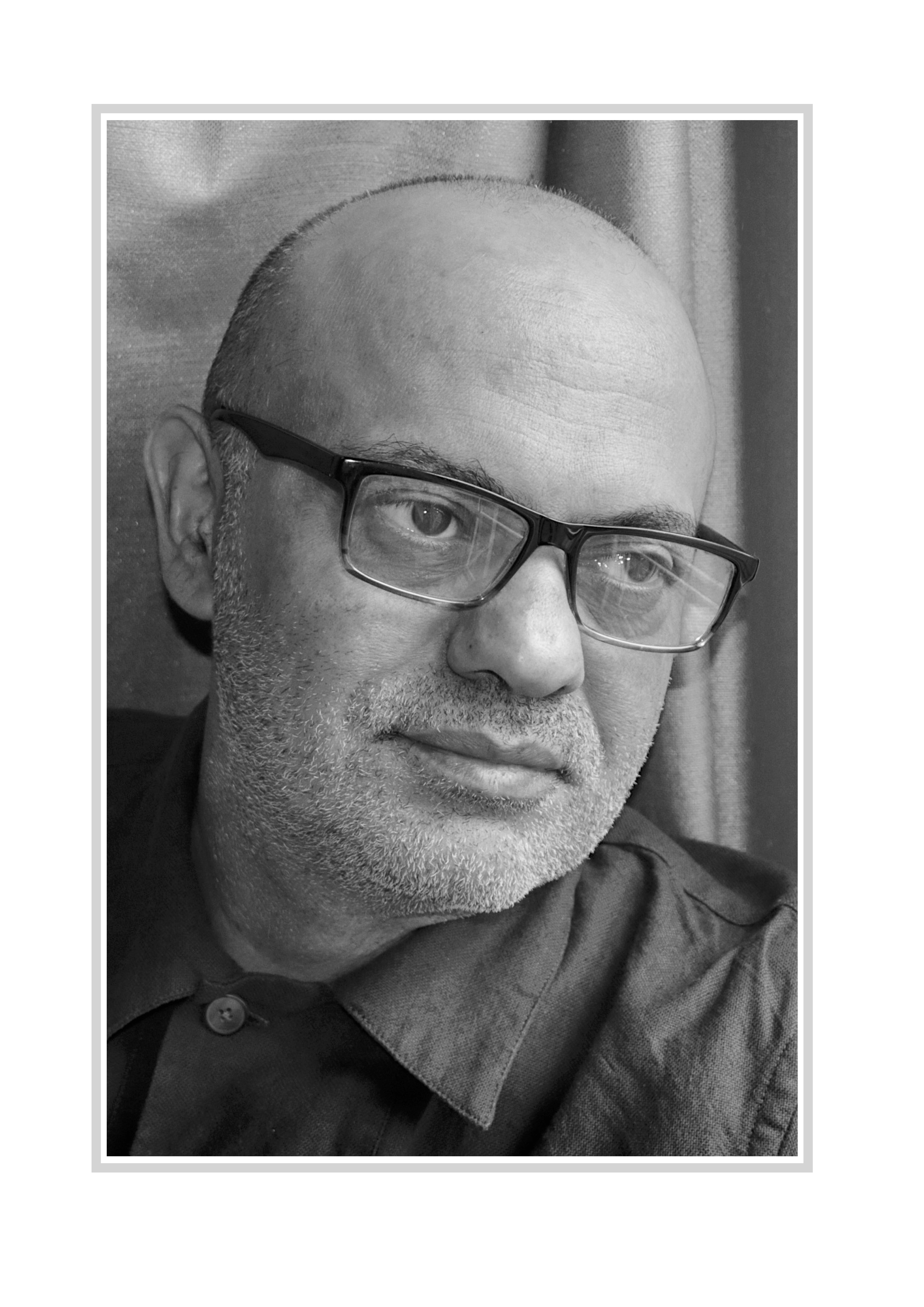
Maria Sledmere is the author of over twenty books of poetry, including An Aura of Plasma Around the Sun (Hem Press, 2023) Cocoa and Nothing – with Colin Herd (SPAM Press, 2023), Visions & Feed (HVTN Press, 2022), String Feeling (Erotoplasty Editions, 2022) and The Luna Erratum (Dostoyevsky Wannabe, 2021) – which was shortlisted for the Saltire Society’s Scottish Poetry Book of the Year 2022. She recently co-edited The Last Song: Words for Frightened Rabbit (Broken Sleep Books) with Aaron Kent. She is a Lecturer at the University of Strathclyde and a member of A+E Collective.
Ian Macartney (TikTok, @e7519.6a0c85.088182) can be found at ianmacartney.scot, but for how much longer?
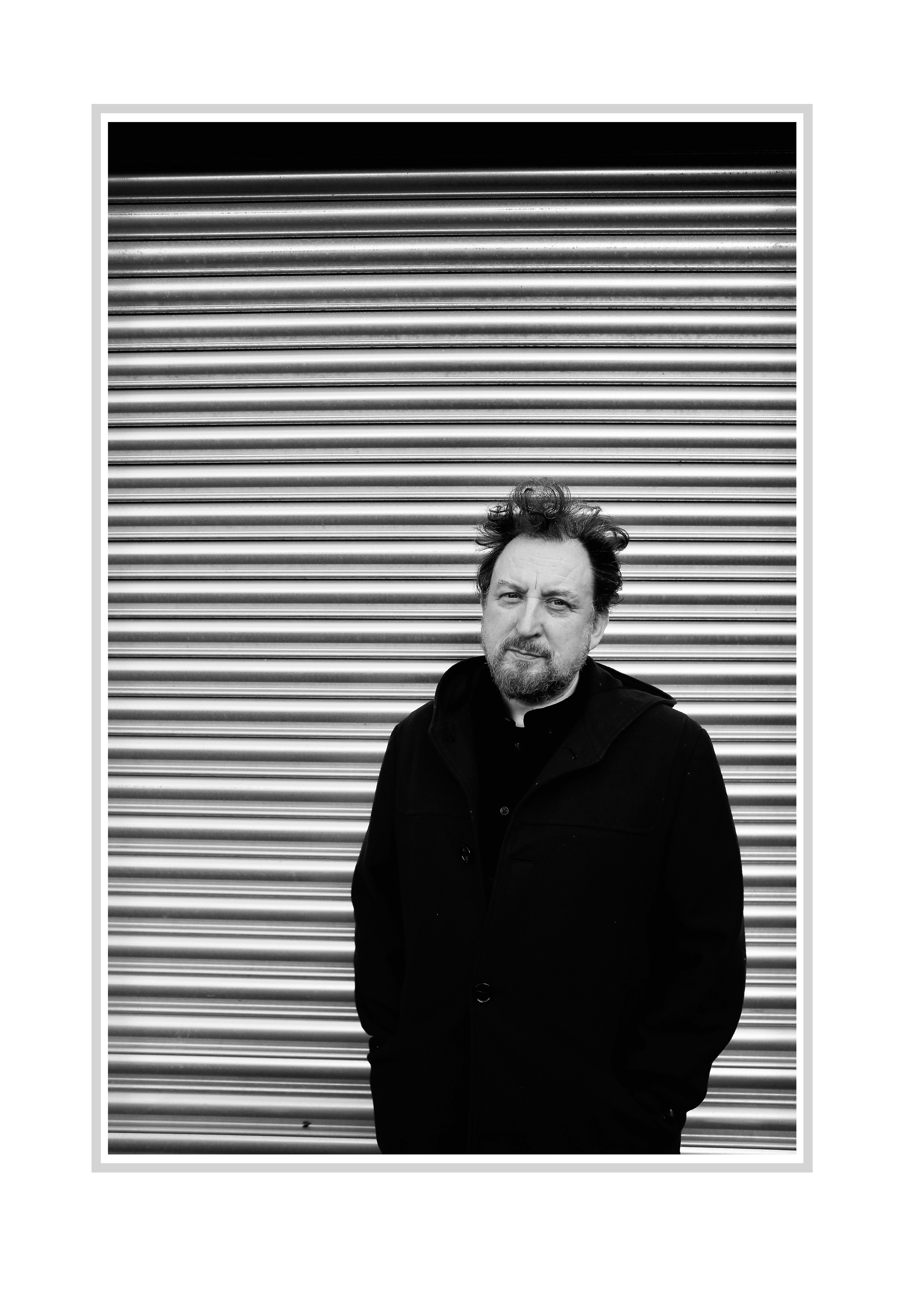
Kirsty Dunlop is a multimedia writer, editor, researcher and musician. She is finishing a Doctorate of Fine Arts in Creative Writing at the University of Glasgow, exploring the possibilities of hybrid New Media writing, bringing language and expansive thinking together with gameplay and code, through her framework of ‘Emergent Essaying’. She is a tutor in Creative Writing and English Literature at the University of Glasgow, regularly leads workshops and guest lectures on digital hybrid forms, and is a freelance Games Developer. She is Editor-in-Chief at SPAM Press.


Leave a Reply