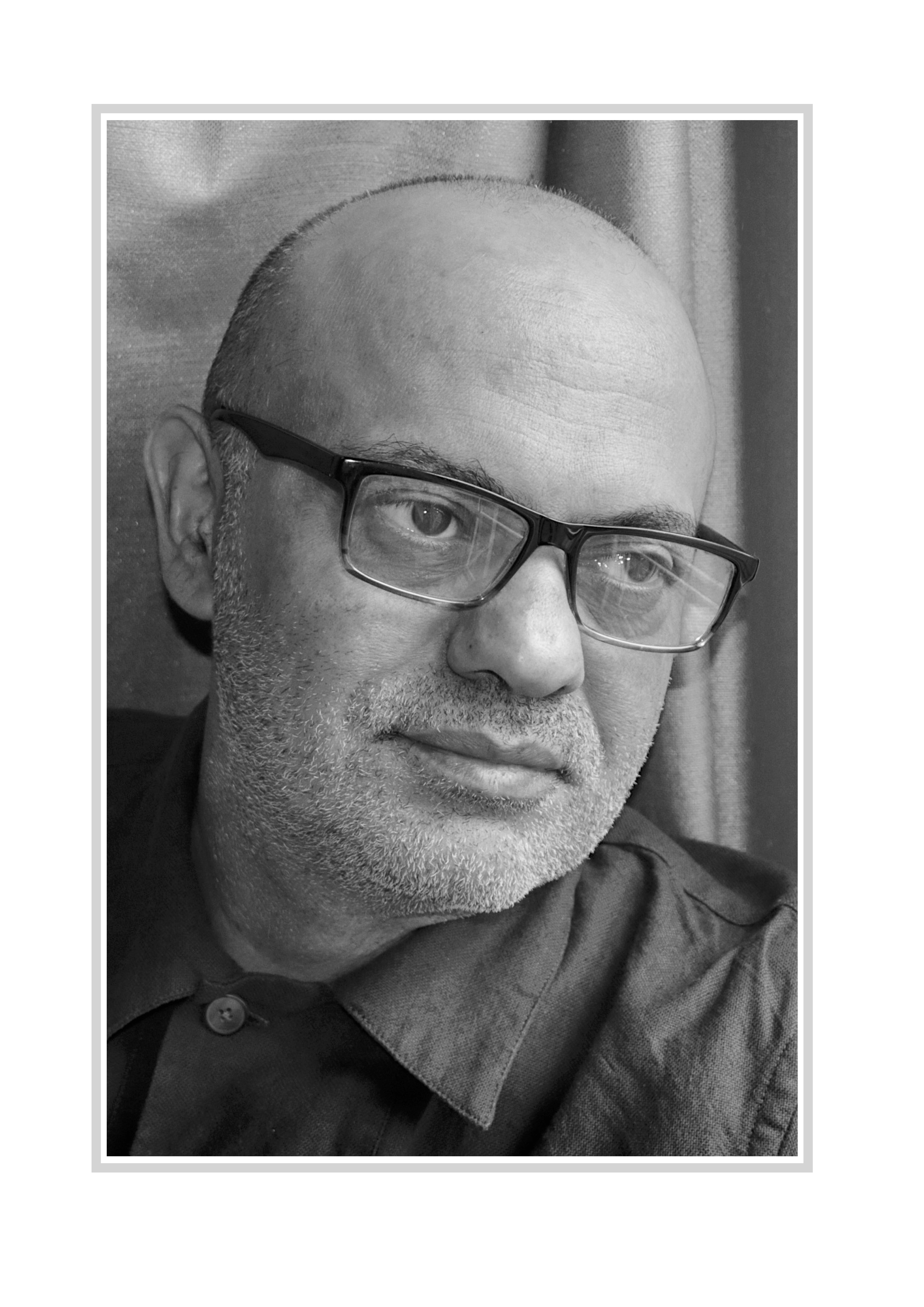
 LENNART SJÖGREN has spent his life on the Baltic island of Öland, where he was born in 1930. With three dozen books to his credit, mostly of poems, he is one of the leading writers of his generation, a fact recognised by several prestigious Swedish awards. His later work includes two book-length poems, The Bird-Hunters (1997) a retelling of a local tale of hunters trapped and drowned in the melting ice, and Call Me Noah (2014), a meditation on the biblical story. He shares some of Harry Martinson’s worries about the ecological damage threatening natural life, and some of Tomas Tranströmer´s fascination with the Baltic, but his observation of natural life reveals forces which are unforgiving and frighteningly non-human.
ROBIN FULTON MACPHERSON‘s book-length selections in translation include Sekunden överlever stenen, translated into Swedish by Johannes Edfelt, Lasse Söderberg & Tomas Tranströmer (Ellerströms, Lund, 1996); Grenzflug, translated into German by Margitt Lehbert (Edition Rugerup, Hörby, 2008) and Poemas, translated into Spanish by Circe Maia (Rebeca Line Editoras, Montevideo, 2013). A Northern Habitat: Collected Poems 1960-2010 was published in 2014 by Marick Press (Michigan).
Macpherson has translated a number of Scandinavian poets, such as Tomas Tranströmer from Sweden (most recent edition 2011), and Olav H Hauge from Norway (most recent edition 2011). See also Four Swedish Poets (White Pine Press, 1990) and Five Swedish Poets (Norvik Press, Norwich, 1997). His most recent translations are from the Swedish of Harry Martinson (Bloodaxe, 2010, Bernard Shaw Translation Prize) and Kjell Espmark (Marick Press, Michigan, 2011 and 2012).
To view the poems in bilingual format, click here – Lennart Sjögren Bilingual Poems
Leave a Reply