A series of brilliant (re)readings of works blank, erased, clear or silent, from the fictional collection of poems at the start of Cocteau’s Orphée to artist Nick Thurston’s erased copy of Maurice Blanchot’s The Space of Literature, via Rauschenberg, Cage, and Ken Friedman. Dworkin combines experimental art and poetics and media theory in a manner that encourages us to rethink ‘medium’ and ‘materiality’.
Aranye Fradenburg Staying Alive: A Survival Manual for the Liberal Arts (2013, punctum)
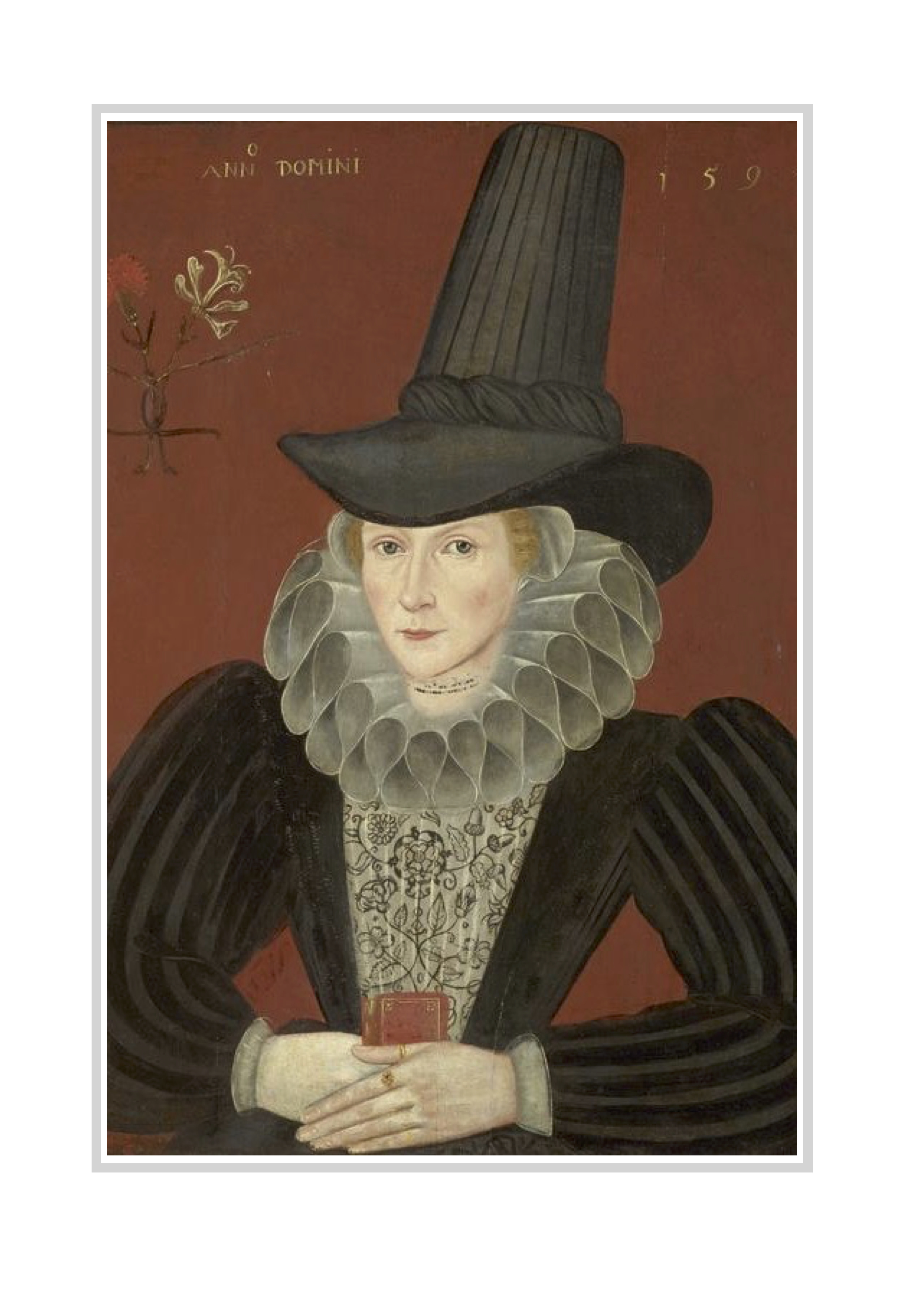
In the face of the increasing neoliberal “techno-corporatization” of the public university, influential medievalist and psychoanalyst Aranye Fradenburg launches a powerful defence of the humanities. Ranging from psychology and neuroscience to premodern literature, Fradenburg insists we “continue to prize the freedom to make meaning and beauty, to show ourselves and thereby announce, herald, and insist upon the indisputable fact of our common aliveness”. (A review of Staying Alive will be published in the GRB in January).
Charles Olson The Post Office (1975, Grey Fox Press)
A reflection on “the resistance of a man”, Olson’s essay/short story – written in 1948 – details his father’s life (and death) as a postman in 1920s Massachusetts, in particular the dispute over a revoked holiday that would lead to him being removed from his long-held route and redoubling his efforts in the N.A.L.C (National Association of Letter Carriers). An odd choice for a ‘Read of 2013’ perhaps, but certainly the piece of writing to which I have returned most frequently over the past twelve months.
Leave a Reply