By Paul Malgrati
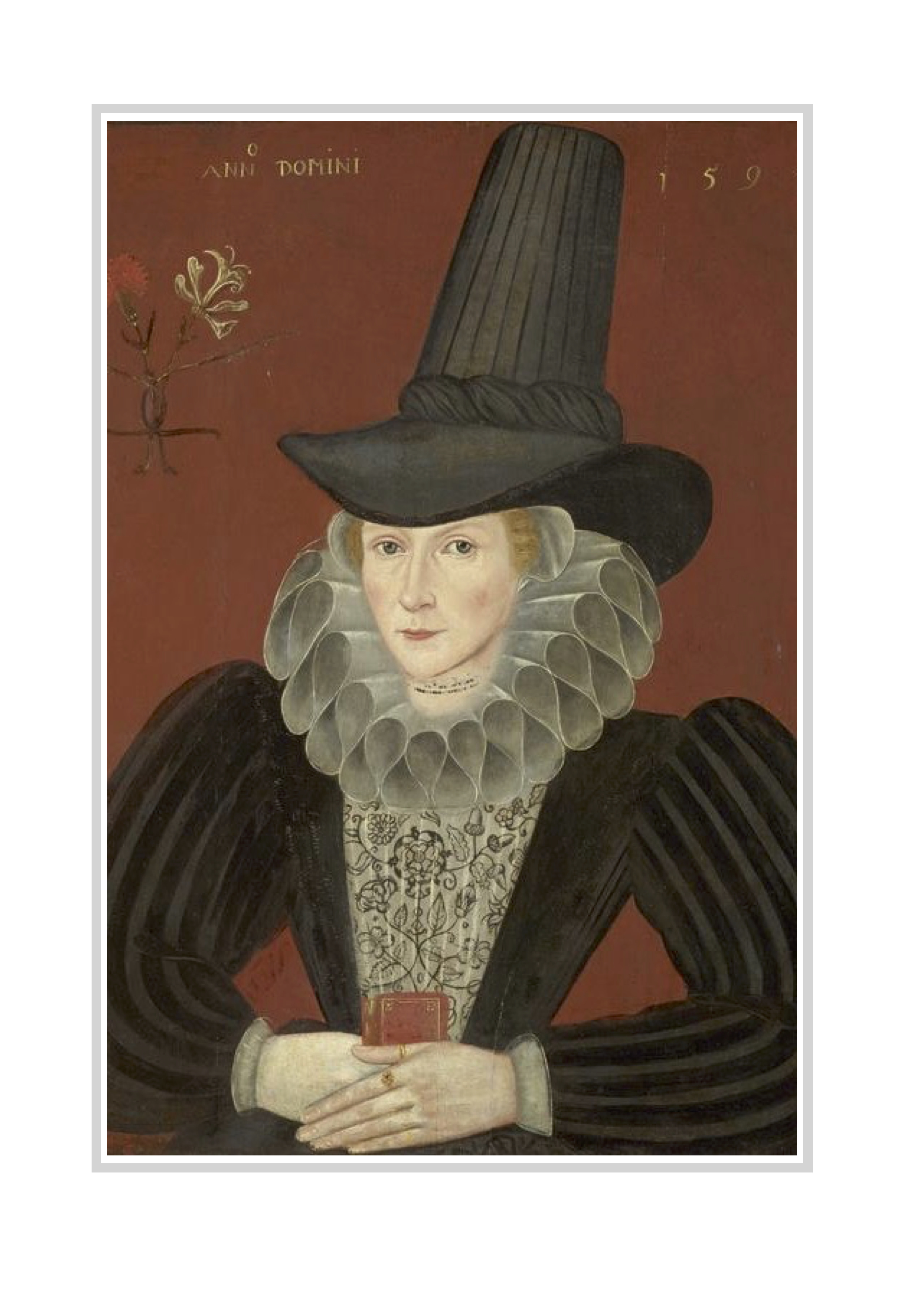
Esther Inglis (c. 1570–1624), the Franco-Scottish calligrapher and illuminator, was long consigned to the marginalia of literary history. Once celebrated for her exquisitely crafted manuscripts and miniature books (over sixty of which survive), she was deemed a paragon of refinement, with few rivals across the British Isles.
But her reputation faded in later centuries, as the (predominantly male) conceit of the author, soon reinforced by Romantic ideals of solitary craft, came to dominate cultural narratives and pushed figures like Inglis – bookmakers, illustrators, and women – into the footnotes.

Only recently has Inglis resurfaced in academic studies, with particular urgency in the works of Georgianna Ziegler and Jamie Reid Baxter. Anna Nadine Pike has also just curated an online exhibition about Inglis’s work for Edinburgh University Library.
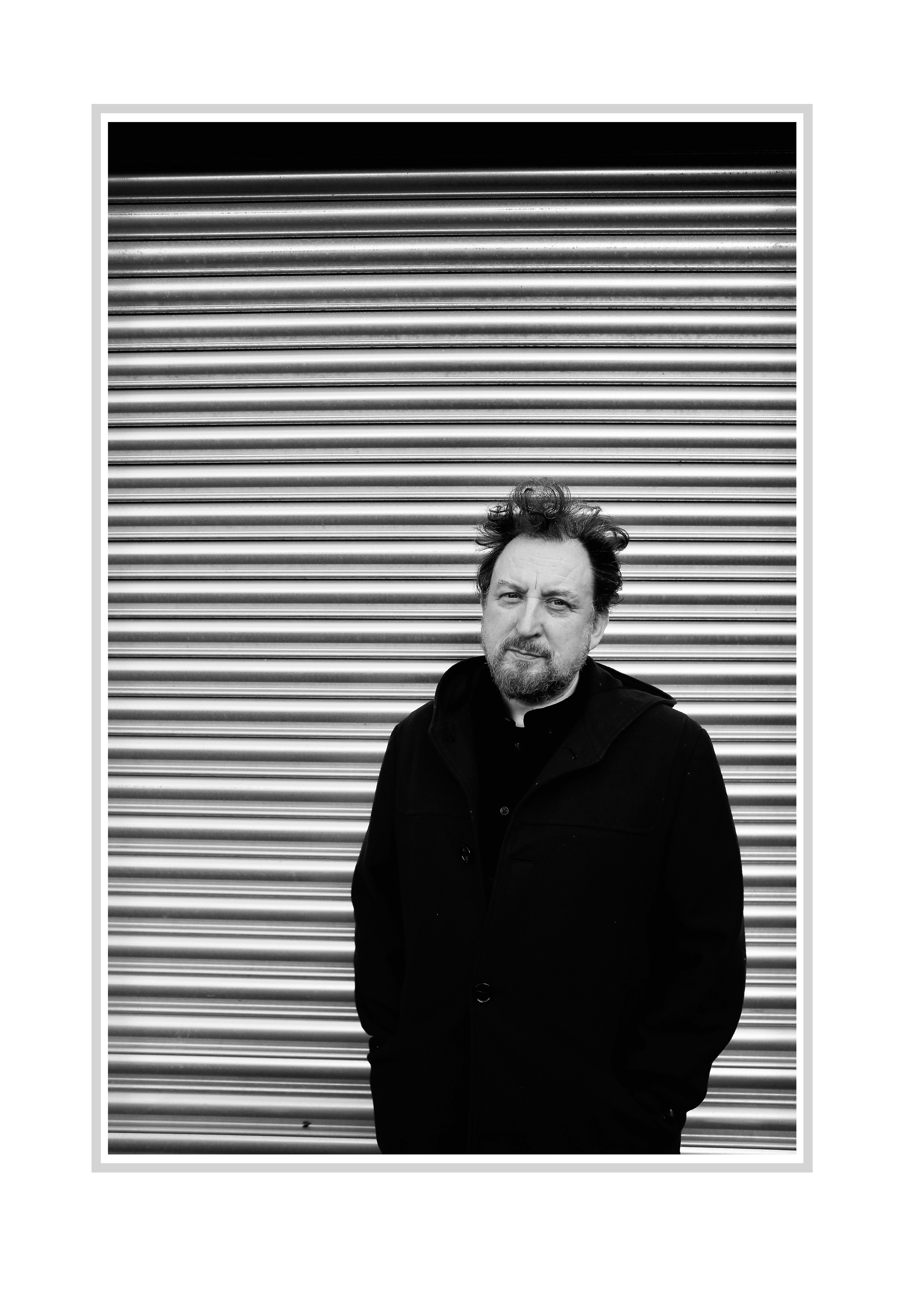
This renewed interest fired early creative responses from novelist Sara Sheridan and poet Gerda Stevenson. Now, the Inglis revival reaches a new milestone with Esther, a poetic play by David Kinloch, published by Rob Mackenzie’s Edinburgh-based Blue Diode Press. The play is a multilingual monologue in Scots, English, and French, featuring Esther as the sole character but with precise stage directions involving silent actors and audiovisual effects.
Inglis is a fitting subject for Kinloch – the distinguished poet and lifelong devotee of French literature. His Franco-Scottish connection, which also defined Inglis’s own heritage as the daughter of Huguenot refugees, runs deeply through Kinloch’s previous works, including Paris-Forfar (1994), Un Tour d’Écosse (2000), and Finger of a Frenchman (2011).
Such a bouquet of mixed identities resurfaces in Esther with rare intensity. ‘“Ta langue”. Ma tongue. Whit is “ma tongue”?’, speirs Esther in the first scene. Her delayed answer is all but straightforward: ‘I feel . . . I feel . . . mixed. Ye understaun?’.

Inglis’s Franco-Scottishness complicates the clarion call of the ‘Auld Alliance’. Her Protestant faith and her surname – inherited from her father, Nicolas Langlois (‘The English’) – demand a subtler kind of diplomacy. Set on the eve of the Union of the Crowns and written a decade after Brexit, Esther is wary of hard borders and dreams, instead, of ‘Europa’: ‘that bricht kintra’ with ‘a face fu o borders and a tongue braided wi mony lingos’.
Certainly, Kinloch’s multilingual, prose-poetic drama carries a deeper invitation: to cross borders and blur contours. This is where Inglis proves an especially relevant subject, not only for her blended identity, but more crucially for her work as a miniaturist – a woman artist attuned to both the margins and the material weight of text.
Already in Finger of a Frenchman, Kinloch had combined Franco-Scottish themes with exquisite forms of ekphrastic writing, mixing queer patriotism with hybrid art. This is seen in ‘Five Portraits of Mary’, musing on Mary Queen of Scots’ embroidery or ‘Rousseau on Ramsay’ – which juxtaposes Jean Jacques Rousseau’s ideas with his portrait by Scottish artist Allan Ramsay.
In Esther, Kinloch is bolder still. He moves beyond ekphrasis to foreground the text itself as a visual art form, where the materiality of font, page, and pigments takes (literally) centre stage. ‘When ye scrieve ye are sewin. Yon wurds are stitches, blaw, green, and rid threids that weave the paper thegether’. The word of God (or the author’s) does not exist at will but needs the ‘pap o the page’, the handywork of bookmakers and illuminators. This is what Esther reminds ‘Jamie’, her protestant king and reader:
But think what I hae shawn ye, Jamie, in the verra buiks ye prize sae muckle, the veesions I hae gien ye, the dwams. I hae helped ye tae see, gien the Lord’s wurds their flesh, their colour. Lettera mancina, sweet waters an crocus; lettre penchée et courante, the banks o sweet-scented herbs.
Kinloch’s Esther is short, but it packs a punch – if my French is to be pardoned. Its impact, though brief, resonates deeply, both aesthetically and metaphysically. For indeed, if textuality is material, then so is materiality potentially textual:
Sometimes I look at the windae at the bonnie view, at the fields and the sea, the wee red roofs o Leith. But sometimes at the windae, I turn and look back in at ma room, across ma room tae see aw ma stuff, ma writing tools, ma buiks fae a fresh perspective. And it’s like the room hae seen you for the first time. Ye cross the room but it’s no that. It’s like the room crosses you. Aw yon space, that brilliant air moving about ye, thru ye even. The corners oan the ither side o the room seem tae welcome ye. [. . .] The white space o the page is juist like that.
Does literature translate and interpret the world? Or is the world already a literature, translating us in loudly silent ways? Are manuscripts (and typescripts) zones of contact where human and more-than-human signs speak through glyphs and stitches? Might Esther itself become the stage for such illumination?
Let us hope a director steps forward and transforms Kinloch’s ‘doucegowan’ of a script into a visceral page for Scottish theatre. The task may prove arduous, admittedly – not least because of the play’s meta-textual nature, which arguably lends it more naturally to the page than to the stage.
Esther’s full effect may, for now, be best accessed by the reader holding its spine, hinge, and binding in hand. That said, some imaginative direction – including Kinloch’s own vision of his character buried in ‘paper/chiffon scrolls’ printed with ‘specimens of Esther’s many “hands”’ – could ease the translation of this textual mise-en-abyme into a daring mise-en-scène.
But should the stage prove elusive, the page—in all its folded seams and stitched tongues—remains a worthy casting. And Esther has already more than played its part in restoring Inglis to the literary record:
Here, guid Friar, tak tent tae this big yin. It is like a Chessie spittin in the fire! Or a cat’s ee gleamin in the daurk! Yin Scots inch by yin Scoach inch an a hauf! An inch o history. That’s aw I occupy. Not even that mebbe. But by goad I’ll mak yon single inch o Scoatlan shine. Ma cat’s ee will thowe, and weep and skinkle fae it, and it will skelter doon the centuries’ stairs.
Esther by David Kinloch is available from Blue Diode Press.
A launch event for David’s pamphlet, along with two others by Sophie Cook and James Appleby and the debut, full collection by Medha Singh is being held at the Scottish Poetry Library this Thursday evening (26 June, doors 6.30pm). All are welcome.
About our contributor

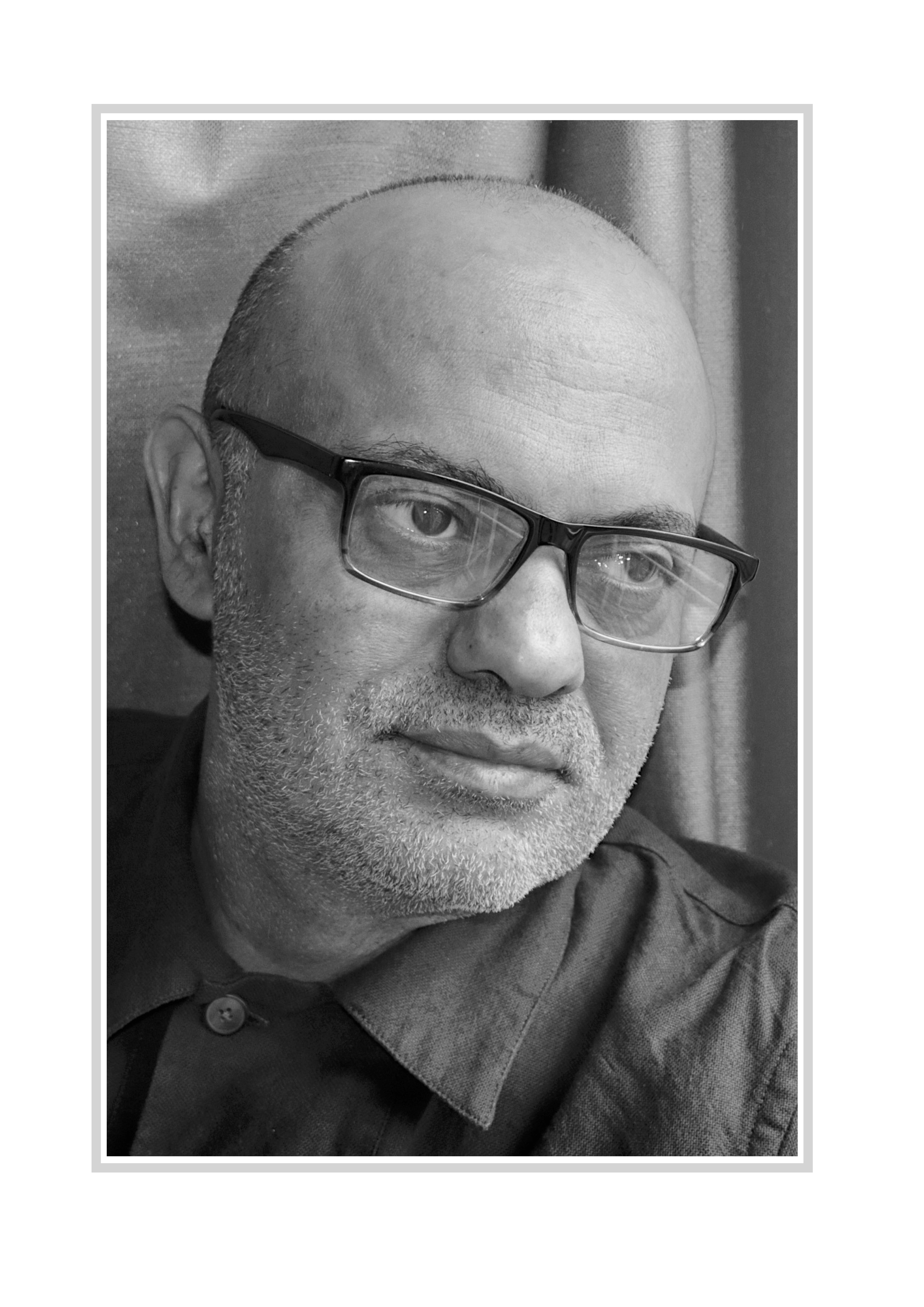
Paul Malgrati is a Franco-Scottish poet and Lecturer in Northern Studies at the University of the Highlands and Islands. His Poèmes Écossais, shortlisted for the Edwin Morgan Prize in 2020 and published by Blue Diode Press in 2022 is believed to be the first book written in the Scots language by a non-native Anglophone. Alongside this, Paul‘s works as a scholar include Robert Burns and Scottish Cultural Politics, 1914–2014 (Edinburgh University Press, 2023) as well as the forthcoming edited volume on France and Scotland in Literature (Brill, 2026), and ongoing research in Scottish literary theory and French metaphysics.


Leave a Reply