By Elizabeth Rimmer
On the acknowledgements page of this collection, Marion McCready notes that these poems were inspired by the Child Ballads, a nineteenth century anthology of Scottish and English ballads. There must be something in the air – Carcanet brought out a poetry collection called Child Ballad by David Wheatley earlier this year, also drawing on the ballad tradition.
The tone and atmosphere of this collection, however, is very different from the masculine mid-life concerns of Wheatley’s book. It’s a very feminine collection, centring on the experiences, desires and the bodies of women.

In introducing her reading, Marion McCready describes her latest collection as ‘full of nature poems’, but rather than the familiar lyrical imagistic work we might expect, this is heavily influenced by her childhood reading of Grimm’s Fairy Tales, in which nature is presented as ‘disturbing and powerful’.
It certainly becomes so under the intense gaze of this poet. Flowers develop an alien presence, an intense, baleful, and sensual life and agency of their own. Poinsettias, narcissi, fuchsias, wander at will, transform into other things, protest, climb, invade our spaces, even our bodies at times:
I look for a warm pool at the bottom of the tulips
to step into, a yellow bath to emerge from.
I imagine tulips growing from my fingertips,
the great bulbs of the sky in motion as I raise my hands
through the air.
(The Brahan Seer’s Wife)
Rowans, birch trees, apple and orange trees develop magical powers and come alive under her gaze. Even the familiar crocuses of the title poem are ‘wild as a fairground wheel / spinning out of control [. . .] scattered round tree trunks like residue from a terrible accident’ (Look to the Crocus). Clearly, we’re not in Kansas any more, Toto.
We are not, however, in a misty romantic haze of faerie and imagination. McCready is an intensely physical and embodied writer with a forensic gaze on the world around her, and her poems achieve their eldritch effects precisely because they are so thoroughly grounded in material reality. More particularly, we are usually very specifically grounded on, and often in, the Firth of Clyde, where she lives. There are several poems about drowning in the Firth, about the Dunoon ferry and the coastal landmarks, the weather, tides and shingle.
There are also three long poems based on Child Ballads, two of which have been shifted from their place of origin (Northumbria and Aberdeen) and located in the Clyde estuary. Horse Loch is based on the Aberdeenshire Ballad of Andrew Lammie but is here set beside Loch Eck on the Cowal Peninsula, and the location of Sea Tangle is here given as the Clyde foreshore, but is inspired by The Cruel Sister, a ballad which exists in many versions and is known throughout the British Isles, but generally thought to originate in Northumbria.
The third is called Ballad of the Clyde’s Water, and is based on Child Ballad 216, commonly known as Clyde Water. McCready adheres closely to the ballad narrative which tells a story of lovers drowned in the Clyde due to the ill-will of their mothers:
Ye’ve had a cruel mither, Willie!
And I have had anither
But we sall sleep in Clyde’s water
Like sister an’ like brither.
Willie crosses the Clyde on a stormy night to see his love, May Margaret. His mother tries to persuade him to stay at home because she has foreseen his death in the storm, but he refuses. In some traditional versions she curses him, but in others her ‘malison’ is simply this warning – as if by doing so, she has jinxed him. The water is high, and Willie recklessly tells the river it can do as it likes on his way home, so long as he gets there safely.
At May Margaret’s house a voice tells him the house is full of visitors and he can’t come in, in case he wakes her mother (in some versions, the voice tells Willie she’s in bed with her real boyfriend), and he leaves.
May Margaret wakes up from her ‘drowsy sleep’ (perhaps magically induced) and says she dreamed Willie came looking for her. Her mother confesses that he was there, but that she sent him away. May Margaret follows and tries to rescue him, but they are both swept away.
McCready cites the influence of Lorca in her version, and it is obvious in the brooding atmosphere, the malevolence of nature, the river ‘a dark horse permeating the mind’, a ‘greedy collector’, a bringer of death.
We spend a long time under the water, not at peace, but surrounded by the noise of seal and submarine, the predation of basking sharks and crabs. As in Blood Wedding, there is a heavy emphasis on the mothers who precipitate the action, and their grief. McCready goes beyond the original when she says:
You had a witch for a mother, William,
I had too
and we see them at their magic, casting spells and incantations:
Who will remember you but the body that birthed you.
Who will remember you but the clouds that swallowed you.
Who will remember you but the moon you threw sticks at
Who will remember you but your double buried under the apple tree.
They re-enact the processes of birth and drowning, replace lost children with dolls dressed in their clothes, luring, deceiving, and cursing them, as if they are in the grip of some evil destiny which compels them to destroy their children, even though it brings disaster on themselves.
Motherhood is a recurrent theme in the collection, as it has been throughout McCready’s work, not always in a comforting or reassuring way. Here, she processes the loss of her own mother, most effectively in the beautiful Poinsettia, navigates the changing relationship with a growing daughter in Her Hair is a Landscape of its Own, or meditates on the moon as mother in Christmas Candles.
Look to the Crocus is a much shorter collection than either Tree Language or Madame Ecosse, and I think this is a strength. Some confident editing has given the book a tighter focus, and greater impact and coherence. Marion McCready has always been an impressive poet. In this volume, she has come into her own.
About our contributor
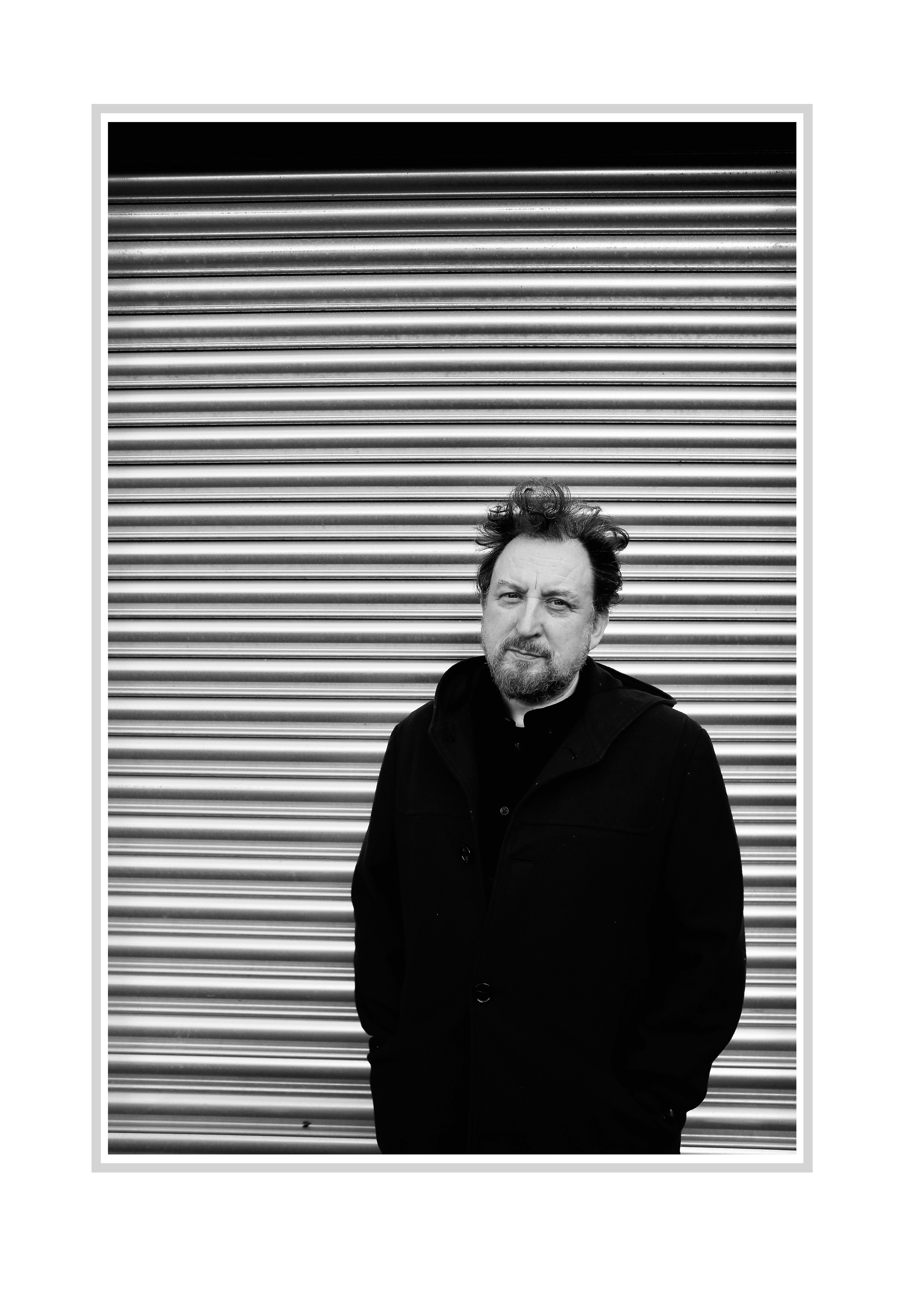
Elizabeth Rimmer is a poet, editor and occasional translator who is widely published in magazines and online. She is influenced by her experience of growing and using herbs, producing a modern translation of the Old English Charm of Nine Herbs in 2017, by her study of geopoetics, permaculture, (especially concerning the growing and use of herbs), the mythological traditions and folklore of northern and western Europe, and by the mystical and philosophical traditions of Christian monasticism.
She has published four collections of poetry with Red Squirrel Press, Wherever We Live Now, (2011), The Territory of Rain, (2015), and Haggards (2018), and The Well of the Moon (2021). She has edited nineteen full poetry collections and eight pamphlets for Red Squirrel Press, and anthologies for the Federation of Writers (Scotland) and the Scottish Writers Centre. She is a member of the Scottish Centre for Geopoetics. Read more on her blog at www.burnedthumb.com.



Leave a Reply