When the world locked down during the Covid epidemic, rather than attempting to perfect banana bread or learning Mandarin, Keeks Mc began writing poetry.
In a short time, she has published a chapbook, ‘Rede wi yer hert’, followed by her first full collection ‘Contermacious Temerity’. She writes of everyday anxieties and joys in a Glasgow Scots that is conversational but rich.

In the opening poem she writes of the distractions of working from home, depicting her mounting frustration at an unwritten email:
“Whit’s that? Ah’m stervin?
Sake, Ah juist ate breakfast
…
Chack phone
Muse at rearranging the hoose
Chack sel”
As the poem progresses, her thoughts become darker: “ivry day is the faircest battle agin masel.” Elsewhere she gives voice to other commonplace concerns of a woman in her forties: being ‘On the Rag’, understanding ‘20th Century Fowks’ like her “ain wean” or finding a pair of jeans that fit. In ‘The Mirk, she yearns for a simpler time before the moral uncertainty and doubts of middle age, when “the mirk comes creepin in.”
Often, Keeks finds that the solution to these worries is humour, such as when she ends the poem ‘Juist Jeans’ with the discovery of the Men’s section. At times the comedy can lull the reader into comfort. Immediately after the poem ‘Gabbin Tae Dugs’ provides a short, cute image of how to make the world a better place, ‘Oertime’ sets out the “easy peasy” means of earning a little bit extra. It is a miniature Kafkaesque trial, overseen by the mysterious Steve and Boab.
This humour gives a lightness and variety to this collection. It is the humour of resilience – accepting that ageing, the Scottish weather and technology must be endured. However, there are also poems that protest. Several poems provide a direct call to arms:
Skeel an ken are wirthy
nae maiter wha ye are,
hou ye speak an whaur yer fae
staund stuir. (‘Condescendit‘)
Keeks writes in ‘Witch’, of “the ancient exerce o misogyny” and reflects on the word’s etymological links to wisdom. Like many others, this poem ends in a direct way: “Gie the wice weemin back their moyen an guidness.”
Keeks finds kinship in ‘The Coven’ and throughout the poem seeks wisdom. She finds it in literature, the “pure magic” of words.
While Keeks sometime struggles to find comfort in landscape, confessing in ‘Ballachulish’ that she’s surrounded by “bonnie bens an braes Ah dinnae ken the name o” on her first post-lockdown trip, she succeeds in finding beauty in the cries of frogs and (in the most moving poem in the collection) in ‘The Glamour Wid’ which, by bringing back memories of her grandmother, embues a sense of calm with an undercurrent of the uncanny.

This is a varied collection, dealing with the diversity of daily concerns. Cultural references – The A-Team, Montgomery Burns, Facebook – are sprinkled throughout. She uses idiomatic phrases but with intent rather than because of a lack of originality:
Bin fairin launds oer an faur?
Haste ye back
Yer ain hame state’s spulyit by war or famine?
Failte
Here the cliches make us question how far we are willing to extend fabled Scottish hospitality. Of course, as with any collection in Scots, our relationship to language and Scotland is a thread which runs throughout. She directly addresses the Scots language:
“Dinnae be knackt intae
beliein yer ain leed
is misbehauden slang”
Keeks uses Scots which is engaging and accessible., allowing her to tackle subjects such as the continued shame and embarrassment people, even doctors, can feel at discussing menstruation in “Oan the Rag(e)”. Keeks does not shy away from such topics. She is open rather than confrontational. She identifies with outsiders, preferring the humble moth to the butterfly, delighting in:
[. . . ] their wee douce oosie bouks an keen wee gizzes
like wee furry ootlings”
The collection is inclusive, dealing with contemporary issues. The title of ‘A LiVEs mAiTeR’ relates to the online response to the Black Lives Matter protests following the death of George Floyd. Poetry should be a defence against the unconsidered, polar debates of social media; it should find compassion and commonality. This poem asks for empathy:
“The thoosans o bairns wha are stervin an seek
in kintras in pieces wi war
leaders oppressin an keepin tham weak
but funded wi cash fae yer shores”
Keeks asks us to face the challenges of life, whether they are the way we treat others or the irritation of odd socks and the dangers of wasting time on Facebook. That’s life, this collection says. Everything, everywhere, all at once.
This collection’s title is a call to show confidence and determination. Keeks has found the strength to express herself in poems that are clear, humorous and thought-provoking.
About our contributor

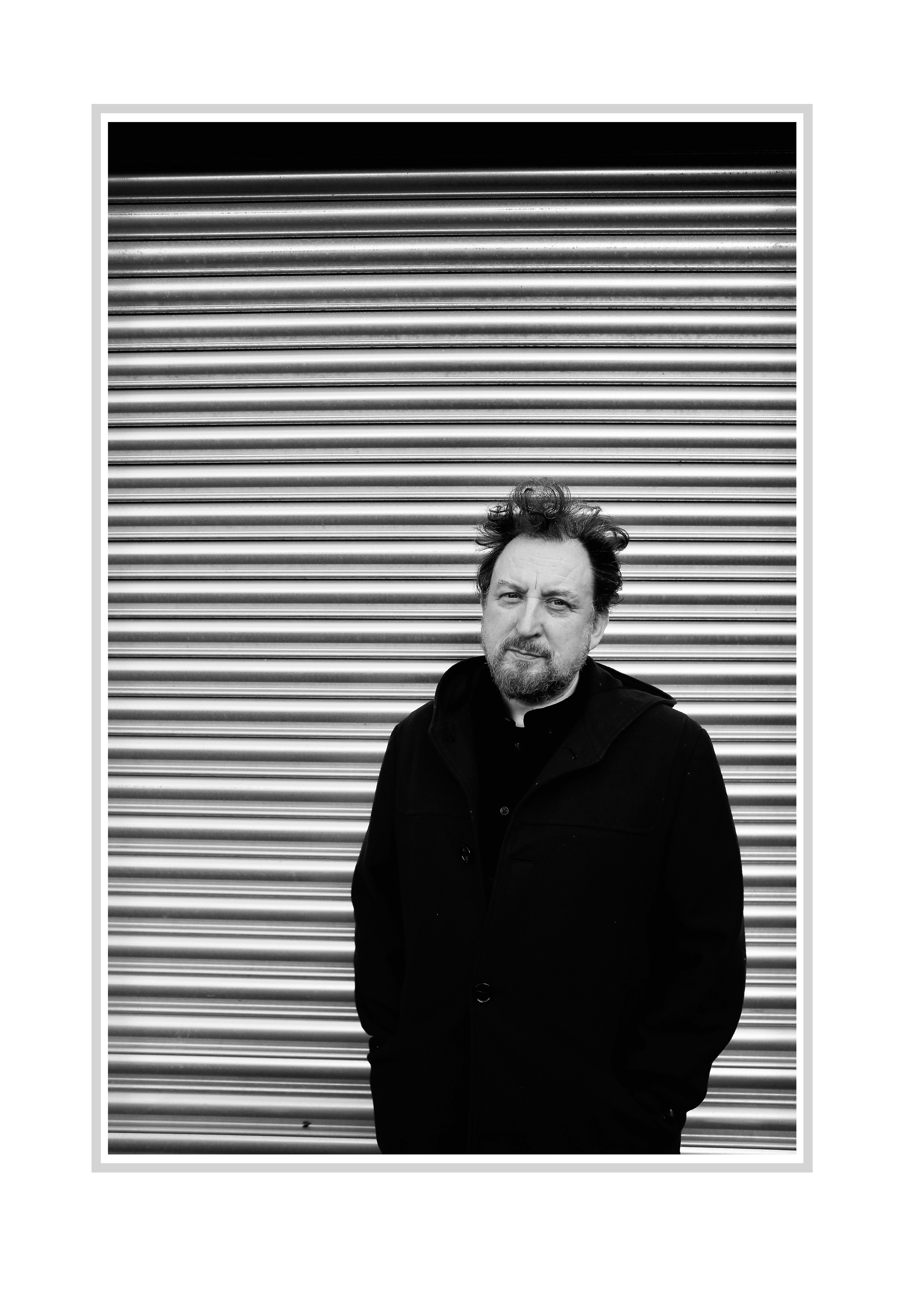
Craig Aitchison has published fiction in publications including Northwords Now,
Tangled Web, Wyldblood, and Southlight. He has been commissioned by the
Scottish Poetry Library to respond to Sir Walter Scott’s 250th anniversary. His poetry has appeared in: Poetry Scotland, New Writing Scotland, Nutmeg and the
Tapsalteerie Collection ‘Sleekit: Contemporary Poems in the Burns Stanza’. Recently, he was chosen as a winner of the Burrell collection’s Hidden Treasures competition. He received a New Writers Award from the Scottish Book Trust in 2023 for writing in Scots and, also in 2023, he won both the Badenoch Prize and the Wigtown Poetry Prize for Scots.



Leave a Reply