By Robin Cairns
Editor’s Note: Spoken Word, Performance, or Slam poetry is arguably the most accessible and diverse sector of the literary arts in Scotland – with a network of open mic and other nights around the country, requiring no more from poets than that they turn up and read.
Despite this (also, despite it’s demonstrable success at attracting audiences from outwith the ‘usual’ poetry communities), spoken word remains overlooked and under-supported by Scottish poetry’s institutions.
The Glasgow Review of Books is proud to be the only literary publication in Scotland that regularly platforms spoken word and, over the next few days, we’ll be bringing you some exclusive coverage of the highlight of the Scottish spoken word calendar, the Scottish National Slam Championships (held on Saturday, 16 March in Glasgow) – starting today with host and compere, Robin Cairn’s account of the storied history of this most poetical of competitive events . . .
Poets hate Slams. Audiences love them. It’s a chewy paradox. Slam poetry attracts the largest crowds in the live literature scene but the participants, while revelling in the unusual mass rapt attention to their work, are often ambivalent about the value of Slams as a way of representing themselves truly.
Neither are they overjoyed about putting themselves through the grim ordeal of an evening’s competitive poetry only to find that the shower of dim, twisted pea-brains operating as judges have been unimpressed with their finest efforts and marked them down for an embarrassing eleventh place.
But then again – there’s the glory of winning, the rabid applause, the cash money prizes, fawning media, foreign travel, beautiful lovers fighting their way to your bed – some poets are weak and cannot resist!
I have been enabling the dubious farrago of poetry slams for a couple of decades now. Having paid my dues compering rowdy rucks in dank basements I progressed to running slightly more salubrious events at Stanza, the Burns And A’that Festival and any number of great live nights at The Rio Café. Eventually it came about that the opportunity to run a Scottish Slam just kind of fell in my lap.

It was 2008. Jim Carruth, involved in the planning for the Aye Write Festival, asked me to a meeting to discuss a national championship – possibly on the principle that, while the event was likely to be a crowd-puller, there was no way he himself was going to have his name associated with the bizarre sub-literary shin-kicking contest which is Slam Poetry. Present also were a pair of patrician Glasgow council commissars who, despite never having heard of Slam, loftily decided to give it a go.
Rounding up the winners of all Poetry Slams in Scotland during the previous year, I invited them to compete in the grand Edwardian reading room of The Mitchell Library, all lofty vaults and marble pillars (the ghostly echoes of our efforts bounce there yet). Graeme Hawley triumphed with a rather fine piece detailing his personal taste in toothbrushes and towels (stiff and firm) and how these preferences corresponded in his attitude to media behaviour and morality.
An excellent winner, Graeme was handed a five-foot cardboard cheque which, he tells me, lived in his attic for many years until it was cut into pieces to kitten-proof the living-room. The actual money from the Aye Write Festival, who had made a large profit from the event, took several months to appear in his bank account.
The next year, 2009, saw us moved for reasons of capacity to The Mitchell Theatre – and we just about filled the 480 seats. Mike Dillon won the judges vote, the four judges that is, picked on the gradually evolving basis that there should be someone young, someone old, someone not involved in the poetry scene – plus last year’s champion. It’s an attempt to be reasonably fair in a contest which has inherent injustice built in. How can you judge one poem against another?
2010 was the year of Milton Balgoni, a funky little wizard from Fife resplendent in Robert Burns-style autumn-leaf coat roaming the stage like a rubber Iggy Pop. It was Sandy Hutchison, one of the judges that night who, surveying the scores at half-time, decided that all the poets were getting very similar marks and took matters into his own hands by dishing out meagre twos and tasty tens after the interval to broaden the spread of the field.
Me, I’m perfectly happy with the judges doing whatever they like, they’re not picking winners to please me. Best thing to do is let them approach the marking how they choose. Milton winning however, did please me. I loved that wee man and am sorry that it was not until the next year that we began to send our Scottish Champion to take part in Slams abroad.
Young Dawkins was our first poet to take part in the World Series in Paris. A mature man of great presence, charm and wit he pretty much stormed the Nationals in 2011. During the year I had been invited to take part in the Utrecht Poetry Festival and it was the Dutch who put me in touch with the legendary Parisian poetry promoter, Pilote Le Hot (I assure you, I’m not making him up.)
Clever, piercing of gaze, dark curls cut to a pineapple crest and as French as pommes-frites, Pilote is l’homme who almost single-handedly made it possible for Slam Poetry to go global. Young Dawkins was flown to Paris, offered accommodation and invited to perform over a week of heats to get to the final showdown. Finding himself trapped in a highly talented Group of Death Young acquitted himself well and lived to tell the tale.
Kevin Cadwallender, maybe sensing that the opportunities for winning poets were suddenly getting a bit more interesting, grudgingly got over his reluctance to take part in Slams and took first place in 2012. Kevin is of course English. He may be proud of that, I’ve never asked him. But how can he be champion of Scotland? Well, the way the competition is run is that any poet who wins a Slam in Scotland gets to take part in The Nationals (as long as there’s eight or more contestants and the judging is not obviously biased).
Mike Dillon is from Ireland, Carly Brown a Texan. She won in 2013 with a poem stating that she was embarrassed to take her home state to parties any more (due to its unfortunate habit of voting for policies she abhorred). Carly won at the rowdy round arena of The Pleasance Theatre in Edinburgh after we parted company with the Aye Write Festival who, for reasons unclear, had informed me that (despite us unfailingly making them money every year) they would be holding me personally responsible should our event make a loss. Fair enough, if that had been the original arrangement. Maybe fair if they had discussed it with me. Not so great as a fait accompli. The contest in Edinburgh was terrific.
Jouking in under the umbrella of the Glasgow International Comedy Festival come 2014, we held the Scottish Champs in Oran Mhor at the top of Byres Road, down in the big broad basement where “A Play A Pie And A Pint” has its home. Miko Berry held off Freddie Alexander and a re-emergent Graeme Hawley.
In 2015, we managed to fill another giant barn of a venue in Edinburgh, the huge former Masonic Hall down at the Pleasance. A large part of the reason that the Scot Slam Champs has usually been held in Glasgow is that it is much simpler to run an event in the city where you live (I live here) than anywhere else. At times when support has been forthcoming to stage the event elsewhere I have been happy to go on the road.
On the occasions when requests for co-operation have been ignored by other poetry promoters it has seemed sensible to stick with what works, where it works. Bram Gieben took the laurels in 2015 with a piece in which (as a protest against capitalism) he declared that he was burning all his money. I hope he was not quite so deeply into his Stanislavski method that he took his lighter to the cash prize.
And so to The Tron Theatre, Glasgow for the next five years. By this time I was running Sunday afternoon Slams throughout the year in the Victorian Bar there and the management were delighted to have the Nationals on their premises. With the fully professional publicity department of a working theatre on our side we had no trouble selling out the 300-ish seats in the high-raked, black-box auditorium.
Iona Lee travelled back from China (as I recall) to take part and with a presence of stillness and poetry of precision booked herself a ticket to The World Series. Next year, Daniel Piper, by his own estimation much more of a comedian than a poet, stormed the stage and even managed to come second in Paris, only to be outdone by Sam Small in 2018.

Sam, with a delivery style normally more suited to rushing through the terms and conditions at the end of an insurance advert, took both the Scottish and the world crown. Performing in Paris with his words translated simultaneously on a giant screen behind the stage Sam Small did what no other Scottish champion has done, won big, really big!
Calum Rodger was next, riffing devilishly on the anti-drugs leaflet he had been given as a teenager in school (Don’t take this, don’t try that!). Calum confessed that it had taken him a long time, ten years in fact, to work his way through that pamphlet and sample every proscribed substance it suggested should be eschewed. Excellent stuff!
Katharine MacFarlane was desperately unlucky to come first in 2020, just a matter of weeks before effing lockdown put the mockers on live poetry for best part of two years. Boosting the shares of Zoom massively in 2021, we held the Slam Champs online. Because there had been no live competitions we held a lot of online heats, which were hugely popular and attracted many poets more accustomed to sitting out the ordeal of having their finely crafted take on life given paltry points by stupid strangers. A ‘real’ performance poet won nonetheless, Jenny Foulds, triumphant from her couch in Brighton.
With the Tron Theatre slow to get going again after Covid we moved to The Britannia Panopticon round the corner, the world’s oldest surviving Music Hall. It’s a great venue, full of faded glamour and clamouring ghosts. This is the place where Stan Laurel made his stage debut at the age of 16. This is the place where Hamish MacDonald became Scottish Slam Champion. Raging comically through his faux-fascist rant “This Is My Bit” in the finale, there could only be one winner.
Hamish rolled up second in the World Series in Paris and also – here’s a new development – had the nous to grab the chance to go to Rome and compete in the emerging European Slam. And by placing high on the scoreboard there, our boy from Clydebank qualified to go to another new competition, The World Cup (peripatetic version) in Rio De Janeiro.
By communicating fully these opportunities to myself, Hamish has ensured I have the contacts to get Scotland represented on the international stage every year now. This is wonderful – and not entirely expected. Some poets win The Nationals, fly off to Paris and never even tell you how they got on. Shower of truculent ingrates! No more caring than cats! (I like cats.) But not Hamish. Hamish did us proud. He was in Brazil nine days, unfortunately didn’t make the podium, but he has left a legacy for other poets.
Angie Strachan is our present champion. Seizing the stage with the command of a diva (cute variety), she provokes the laughter and tugs the tears at will. Just back from the European Slam in Antwerp where she came sixth out of 31 countries in a beast of a contest, Angie has now qualified to be flown to Togo (it’s in Africa, look it up) to take part in the World Cup in November 2024. Our next winner (Britannia Panopticon, March 16, 2pm) will be invited to the World Series in Paris, The European Slam in Kosice (Slovakia) and The World Cup in Japan.

So, all you out there who think that winning in Slam Poetry is just down to who can best scribble down some dodgy doggerel and make a panto of their aching self-pity – well, you may (on occasion) be right. But there are also some excellent poets operating in this field. And if you know of any other means by which poets can accumulate paid-for air miles on this scale please inform me in the comments below.
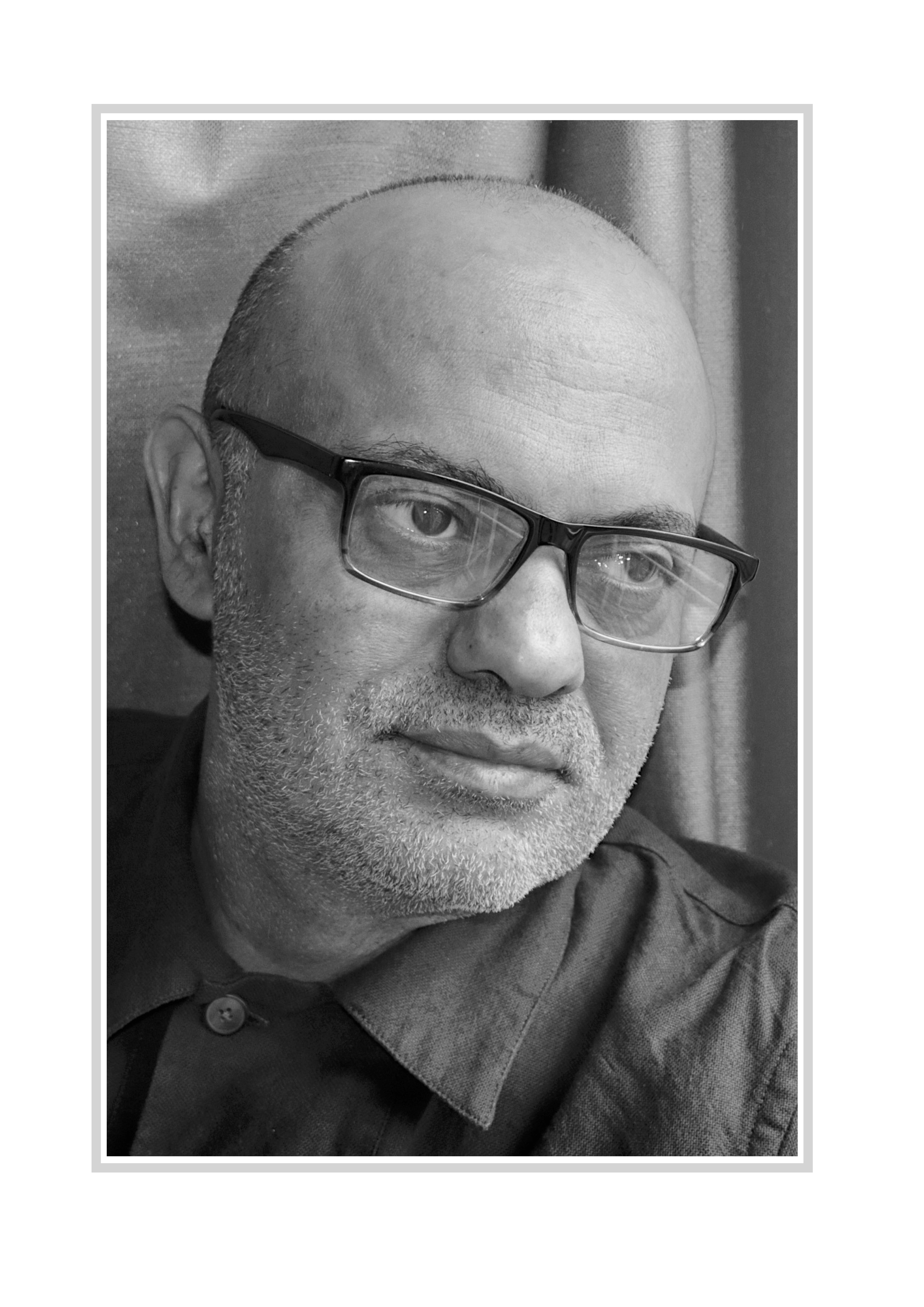
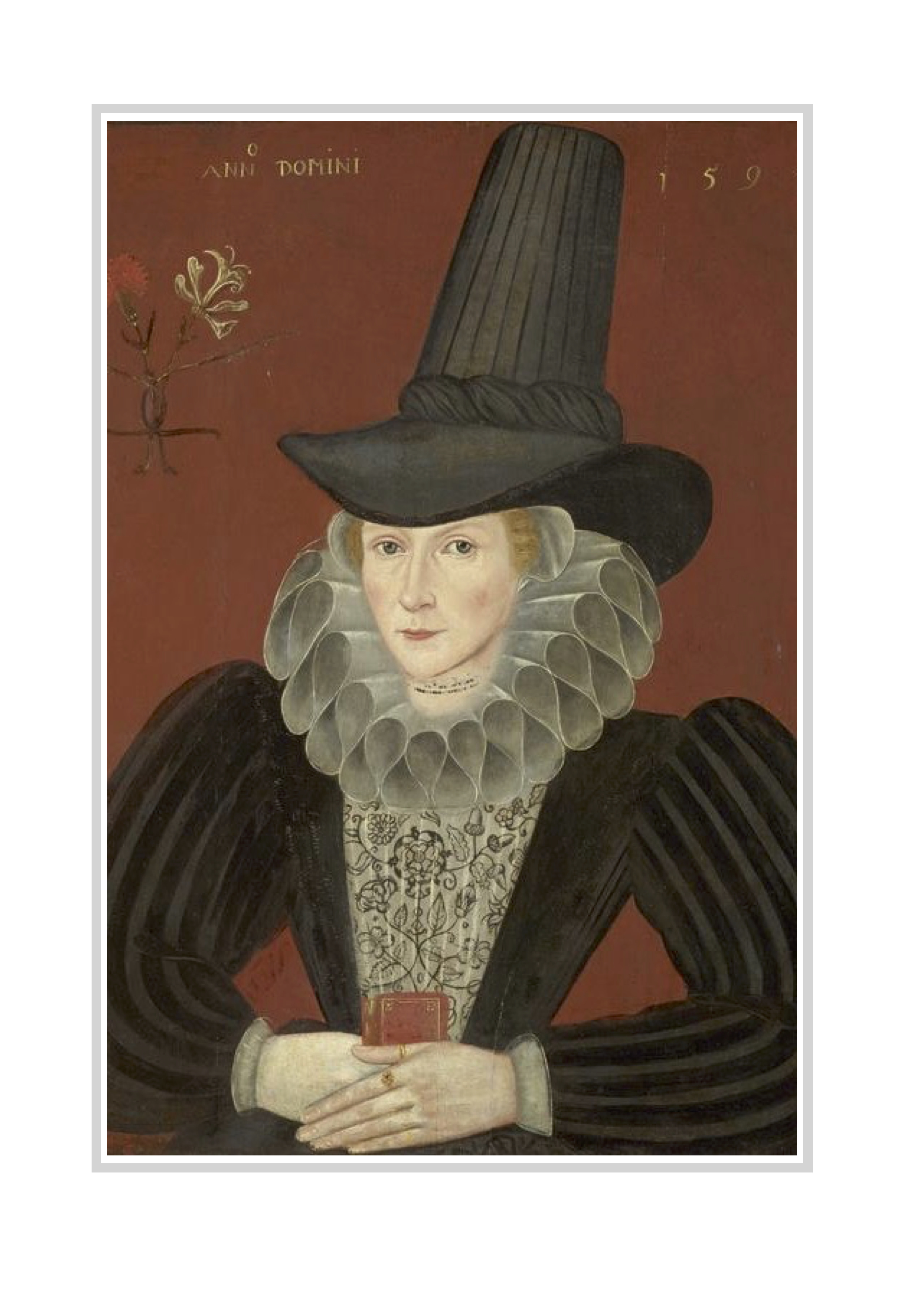
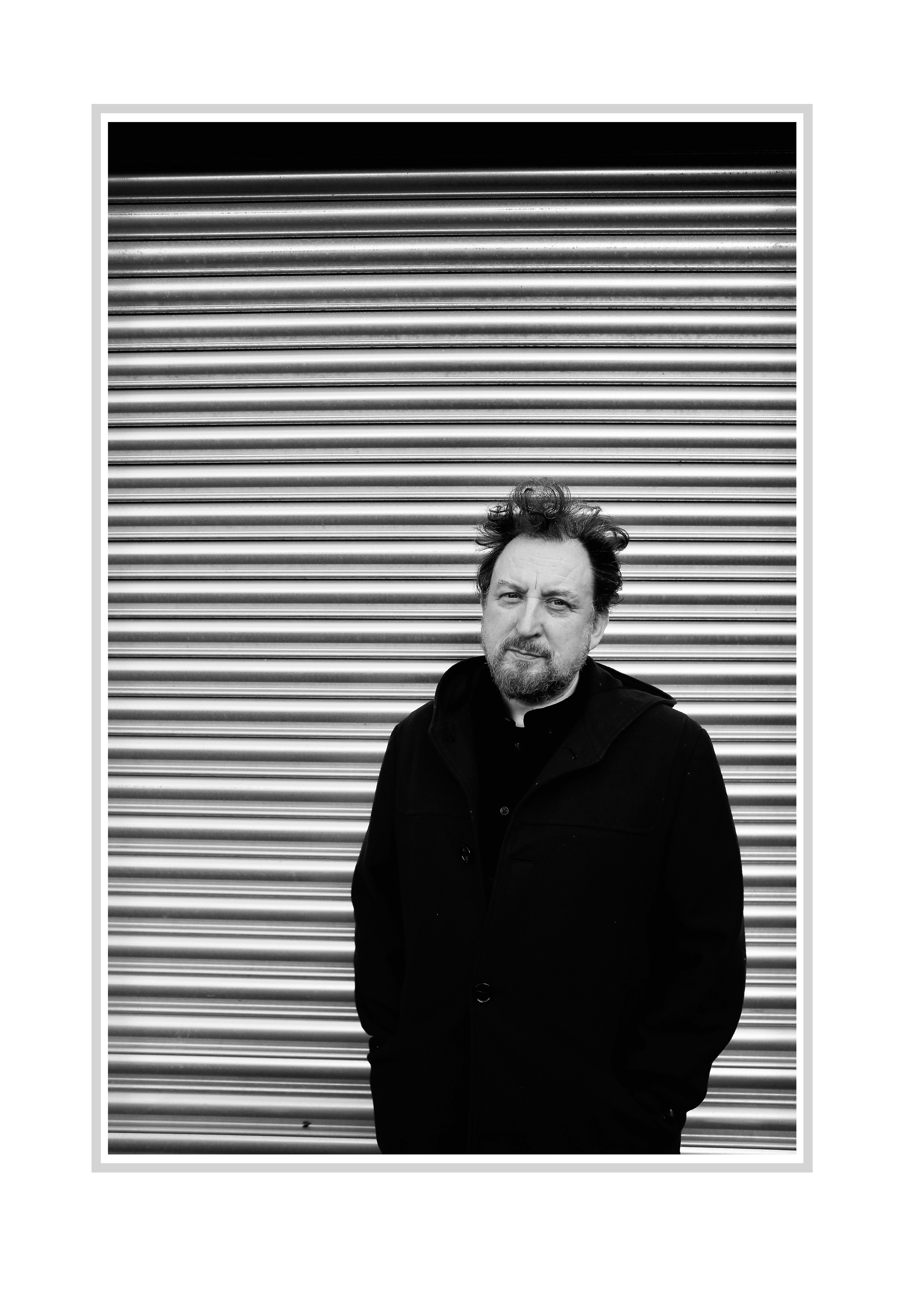
Competing in the 2024 Scottish Slam Championships at the Britannia Panopticon, Glasgow on Saturday 16 March will be:


Leave a Reply